
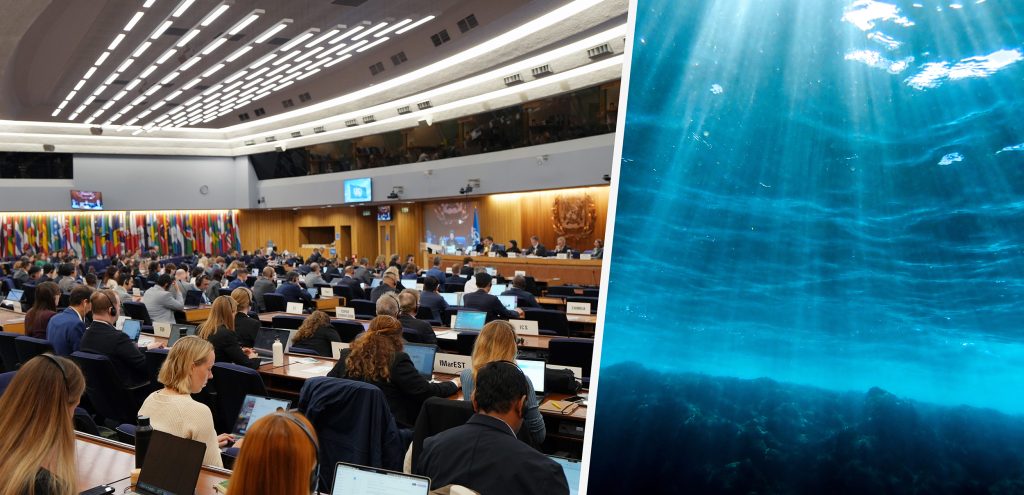
The International Maritime Organization has adopted new guidance aimed at ensuring marine geoengineering research avoids unacceptable impacts, amid growing interest in climate change mitigation technologies.
Marine geoengineering involves methods to increase the ocean’s capacity to absorb carbon dioxide from the atmosphere or store carbon for long periods. However, their potential impacts on marine ecosystems are not yet fully understood.
Meeting at IMO Headquarters in London, Parties to the 1972 Convention on the Prevention of Marine Pollution by Dumping of Wastes and Other Matter (London Convention) and 1996 Protocol to the Convention (London Protocol), adopted a resolution establishing assessment frameworks for ocean fertilization, ocean alkalinity enhancement and ocean sinking biomass. […]